

Population Trends
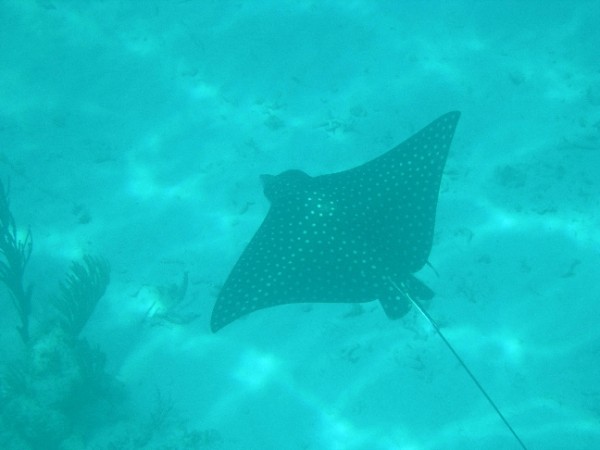
Ecosystem Changes
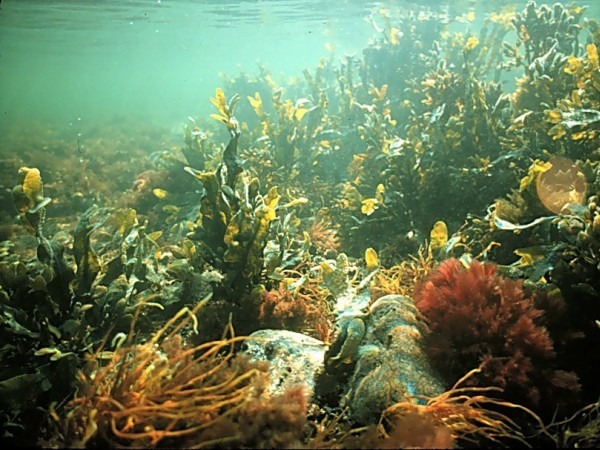
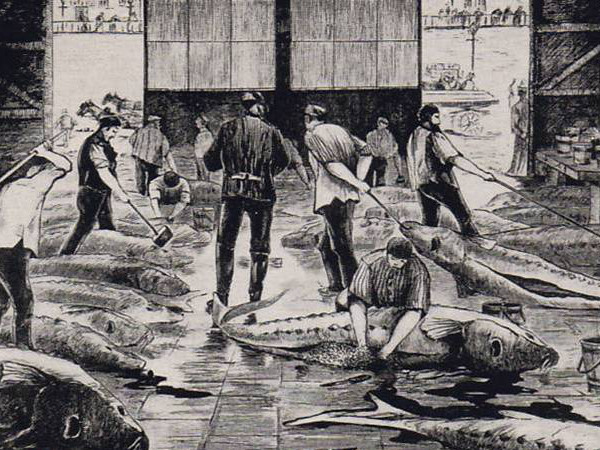
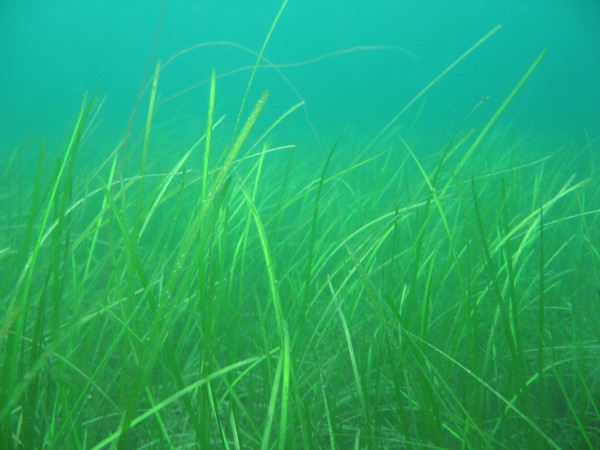
Research in the Lotze Lab @ Dalhousie University focuses on human-induced changes in marine populations, communities, and ecosystems. This includes past, present and potential future human impacts in the ocean, such as exploitation, habitat alteration, pollution, and climate change. We aim to understand how individual and cumulative drivers have altered – and will alter – the distribution and abundance of populations, biodiversity patterns, species interactions, the underlying structure and functions of marine ecosystems, and the goods and services they provide for human well-being. Our overall goals are to advance our understanding of human-induced changes in the ocean, inform conservation and management strategies, and help develop climate-adapted policies to sustain marine life into future.
Students and post-doctoral fellows are engaged in analyzing:
- long-term historical changes in populations and habitats,
- projected future changes under different climate change scenarios,
- large-scale patterns of change across impact gradients,
- cumulative effects of multiple human drivers,
- consequences for ecosystem structure, functions, and services,
- recovery of depleted species and degraded ecosystems, and
- applications for management, conservation, and policy.
To approach these topics, we use a combination of large-scale field surveys, multi-factorial experiments, ecological modeling, literature studies, and the synthesis of large datasets.
Our lab values equity, diversity, and inclusion in all aspects of our research. This includes the composition of our team members as well as their backgrounds, ideas, interests, research questions, scientific approaches, venues for dissemination, and paths for applications. We aim for a stimulating and creative research environment to produce innovative and impactful scientific results that advance our understanding and inform management and conservation on local to global scales.
News
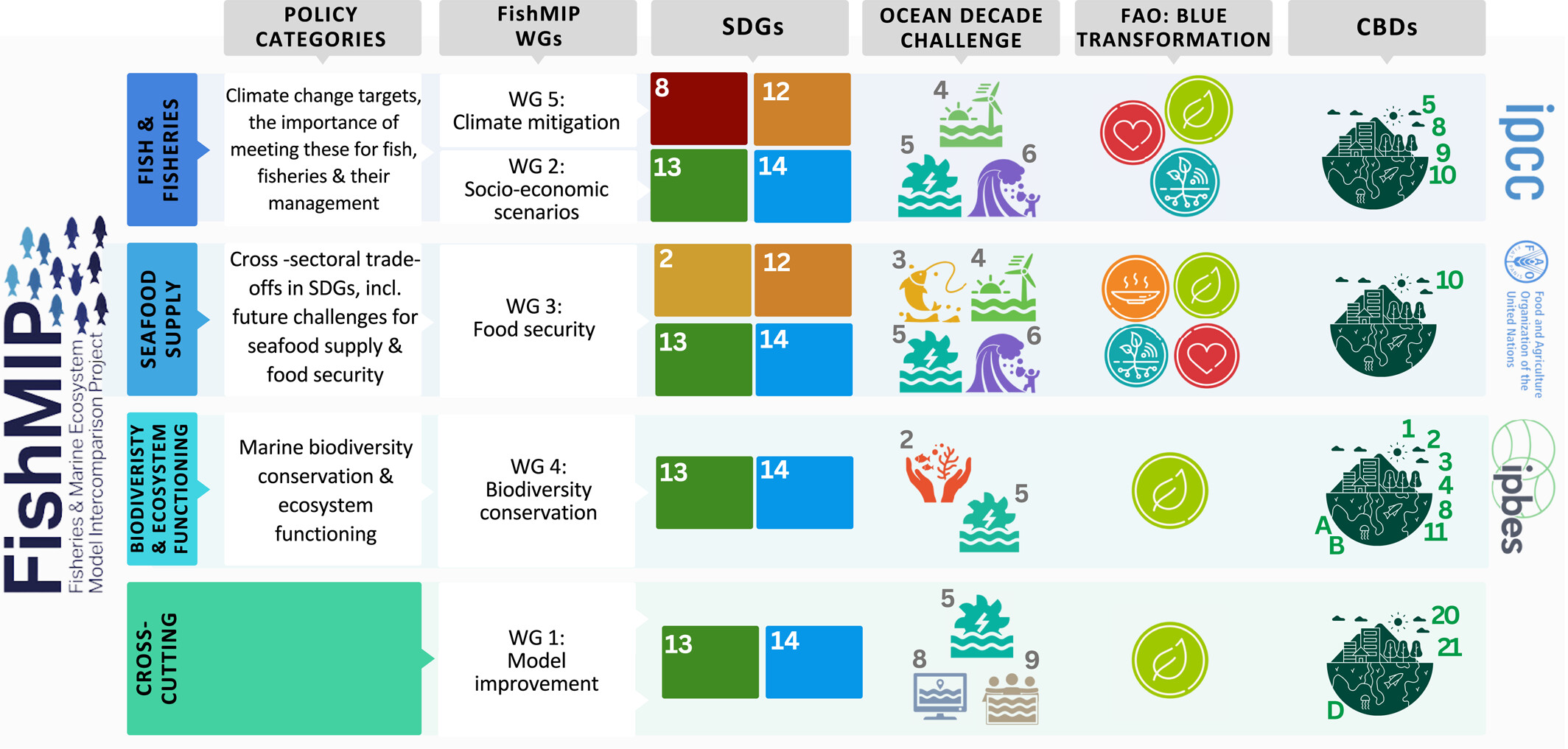
The world’s oceans are experiencing significant changes due to climate impacts affecting marine ecosystems and fisheries. The Fisheries and Marine Ecosystem Model Intercomparison Project (FishMIP) was launched in 2013 to develop standardised projections of how climate change and fishing activities will impact ocean life and benefits for people. This review highlights FishMIP’s contributions over the past 10 years and outlines how FishMIP has improved climate-impact modeling in the ocean and informed various policy areas such as setting climate targets, managing fisheries, food security, and conserving marine environments. The next 10 years will see the improved FishMIP ensemble model pushing the boundaries of the field and increasing policy-relevant outputs.
This FAO Report presents results from the Fisheries and Marine Ecosystem Model Intercomparison Project (FishMIP). The report includes an overview of the FishMIP project, an outline of its methodology as well as projected results of climate change impacts on marine ecosystems in fishing regions around the globe. It further highlights how FishMIP projections can be used to help regional-scale policy and management and how models can be improved to better support policy. Lastly, it outlines important future research directions and priorities for applications.
View Publication
As climate change, resource overexploitation, and pollution leave ever more visible marks, ocean ecosystems, economies, and people are all affected. With coasts on the Atlantic, Pacific, and Arctic, Canada faces a formidable challenge in building resilient, sustainable oceans and supporting the communities that rely on them. Sea Change reports on the OceanCanada Partnership, a multidisciplinary project to take stock of what we know about Canada’s oceans, construct possible scenarios for coastal regions, and create a national dialogue and vision. See Chapter 3 and 4 for our lab’s contributions.
View Publication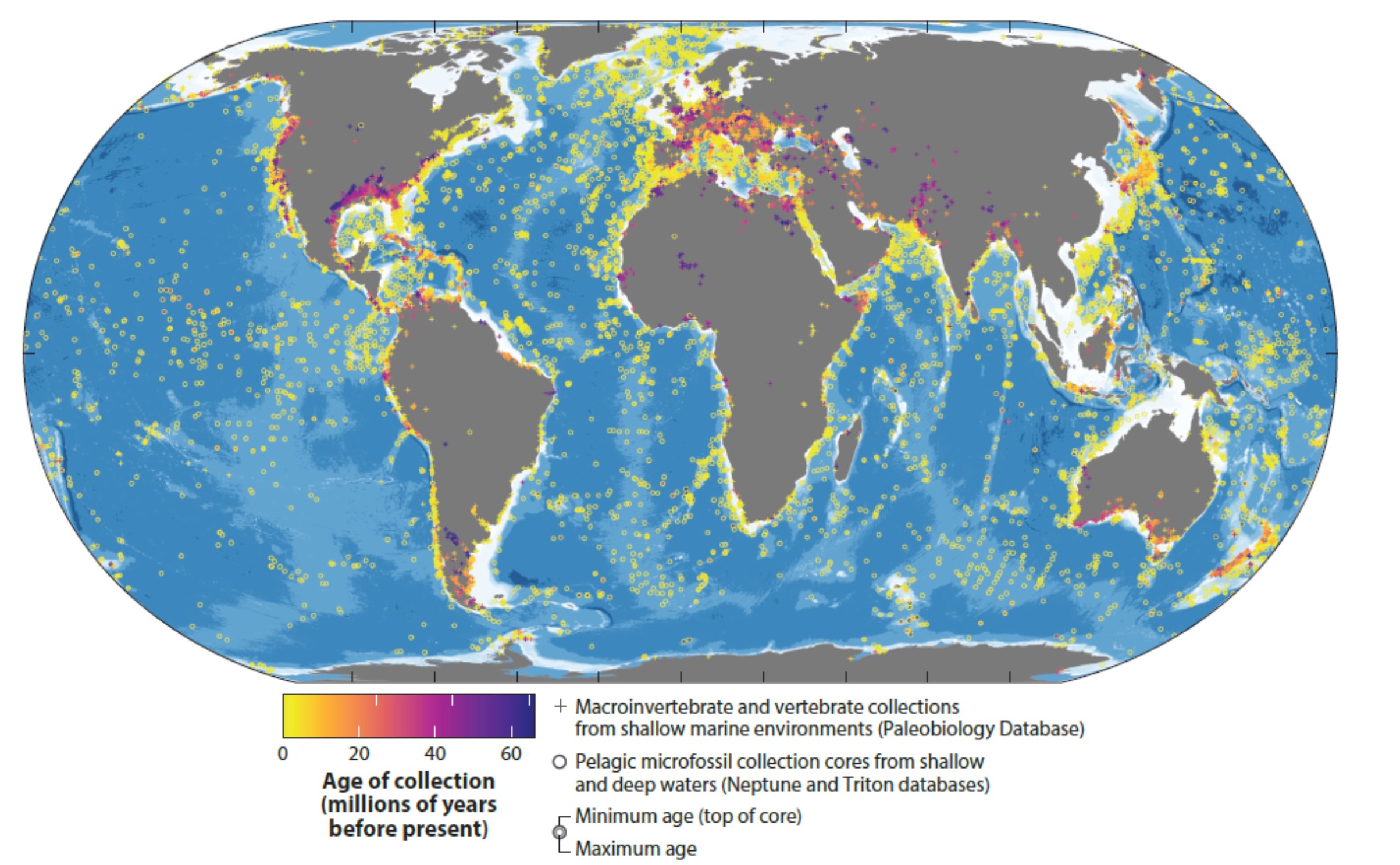
The fossil record, from ancient to recent times, can help identify traits and environmental conditions that were associated with higher risk of extinction in past climate-change events which can inform conservation strategies and decision-making into the future. This review highlights the ecological and environmental information available in the marine fossil record and how this can be used to assess current extinction risk and develop conservation plans and restoration targets. We also identify future research directions in conservation paleobiology and emphasize the need for cross-disciplinary and coproduced research.
View Publication
News
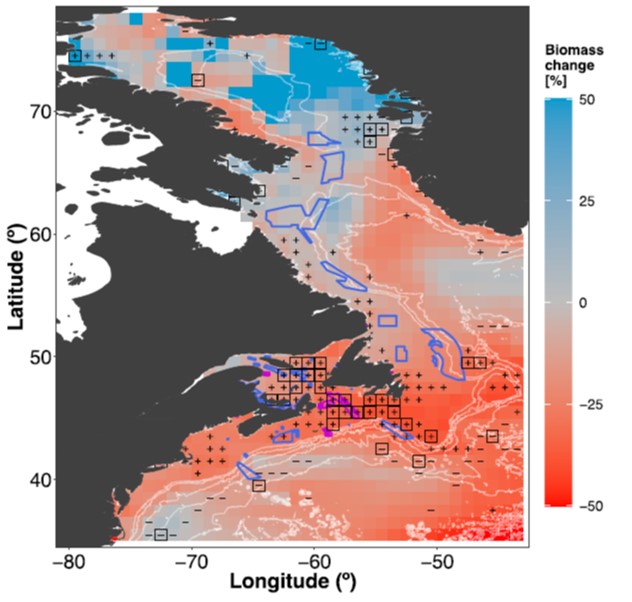
Projections of climate change impacts on species and ecosystems can be used to inform marine conservation planning. This paper presents future trajectories of climate change impacts on key physical, biochemical, and ecological drivers across the Northwest Atlantic Ocean and evaluates the consequences for Marine Protected Areas (MPAs) and Other Effective area-based Conservation Measures (OECMs) in Atlantic Canada. We identify were climate change hotspots and refugia are located, where environmental drivers are projected to change the most or least, and how these areas overlap with existing MPAs and OECMs. Our results provide important long-term context for climate change adaptation and future-proofing spatial marine conservation planning in Canada and the Northwest Atlantic region.
View Publication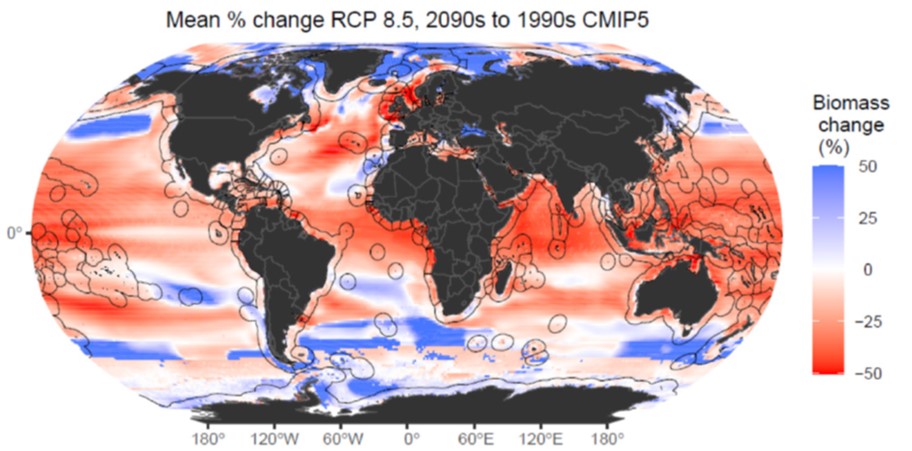
Climate change has profound impacts on marine life and biological processes on all levels of organisation, altering food web structure and ecosystem dynamics. This chapter briefly summarizes observed climate change impacts on marine populations and ecosystems, and then uses state-of-the-art ensemble model projections to highlight potential changes in coastal and global ocean biomass with consequences for fisheries and human development. We discuss the need for climate change adaptations in marine management and conservation, as well as ocean governance to mitigate some of the projected changes.
View Publication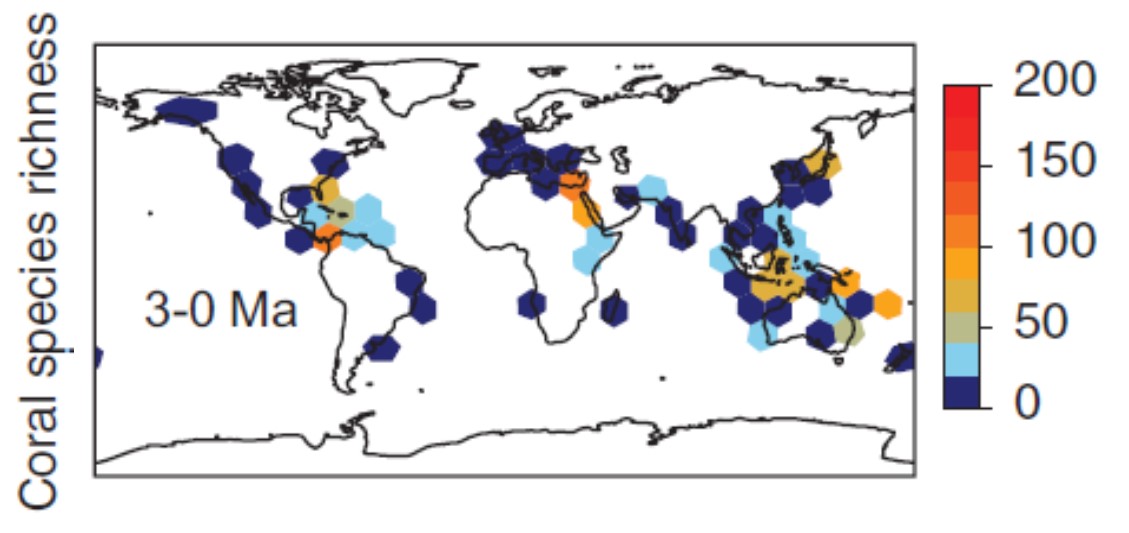
Marine biodiversity hotspots have changed their location and richness over geological time scales. This review aims to outline the dynamics of tropical marine biodiversity hotspots throughout the Cenozoic (the last ~66 million years). Focusing on four major hotspots in the Indo-Australian Archipelago, the western Tethys Sea (the present Mediterranean Sea), the Arabian Sea and the Caribbean Sea, our review suggests that the locations of peak biodiversity track broadscale availability of shallow marine habitats and high coastal complexity that have been created by the collision of tectonic plates. These natural patterns have been disrupted by human disturbances in more recent times.
View Publication
News
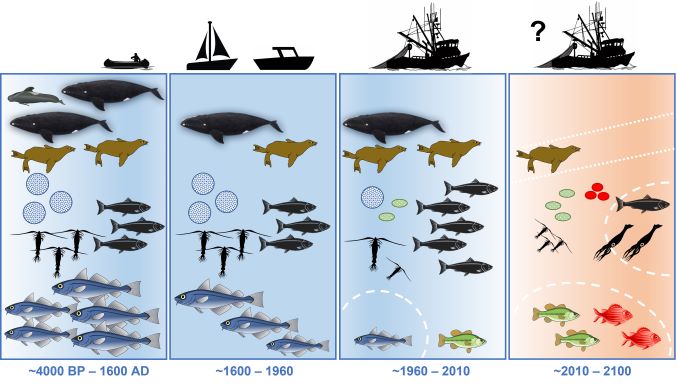
Marine species are profoundly affected by oceanographic conditions and human impacts, yet little is known about long-term historical baselines to provide context for current and future trends. This paper synthesizes >4000 years of marine ecosystem dynamics in the NW Atlantic including the late Holocene cooling and recent warming as well as Indigenous and European influence. Our multidisciplinary overview covers paleontological, archaeological, historical and modern records and future model projections. This work highlights four phases of shifting environmental and ecosystem conditions with a near-future departure from natural climate variability. These insights can help to adjust marine conservation strategies and network planning and adapt ecosystem-based management with climate change.
View Publication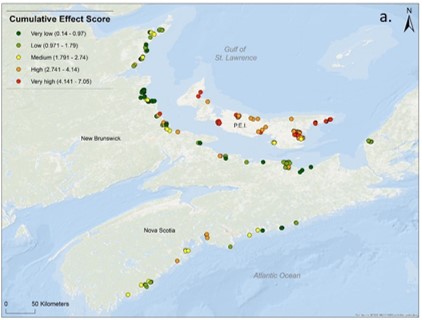
The analysis of cumulative human impact is a necessary and promising management tool to estimate the impacts caused by multiple human activities; however, connecting cumulative impact scores to actual ecosystem changes is challenging. This study calculated cumulative effects scores for 187 seagrass beds in Atlantic Canada and developed a threshold to evaluate the likelihood of seagrass bed degradation. Results suggest that 49 seagrass beds exceeded the threshold, with 86% being influenced by three or more stressors that cumulatively amounted to a large score. This cumulative effect approach provides a simplified metric to identify areas where management of cumulative effects should be prioritized.
View Publication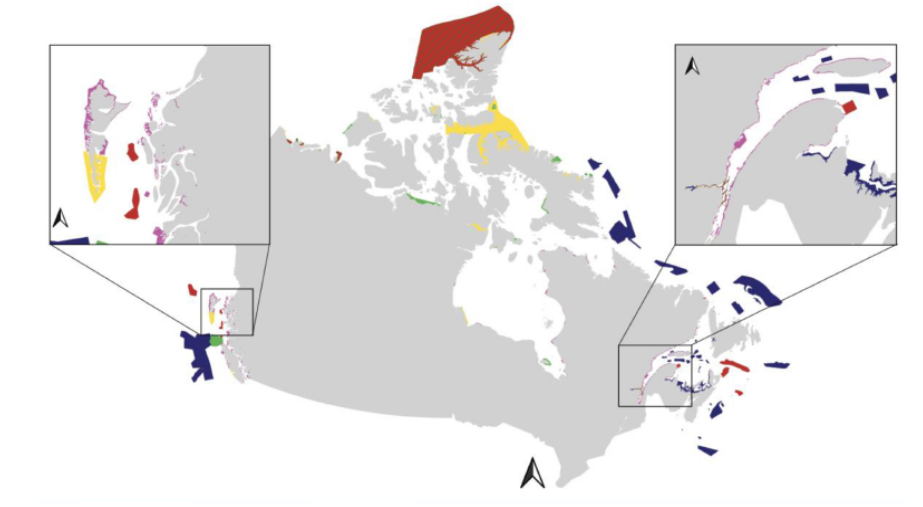
Climate change and biodiversity loss are two major conservation issues, yet the integration of climate change adaptation into marine conservation planning has been limited in Canada and elsewhere. This paper outlines five recommendations for an inclusive, proactive and climate-ready approach for Canada’s growing marine conservation network. With its extensive marine and coastal areas, Canada has the responsibility to accelerate national climate-change adaptation as well as progress towards international commitments mitigating biodiversity loss and climate change.
View Publication
News
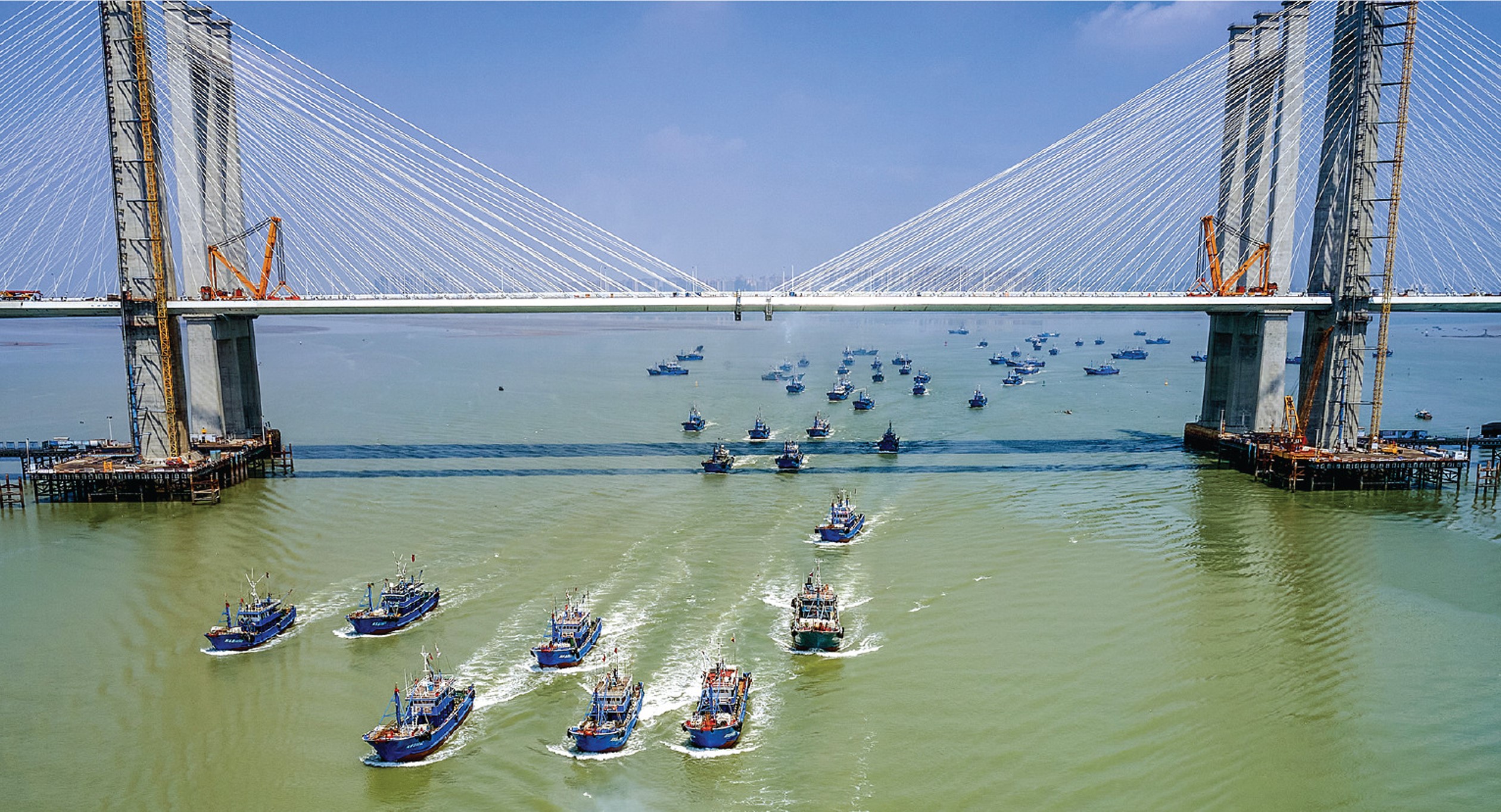
In this Letter to Science, we – a group of 296 scientists from 46 countries and 6 continents – urge the World Trade Organization (WTO) to commit to eliminating harmful fisheries subsidies. Sustainably managed wild fisheries can support food and nutritional security and livelihoods for diverse communities and cultures around the world. However, harmful fisheries subsidies, which are government payments that incentivize overcapacity and lead to overfishing, undermine these benefits and are increasing globally.
View Publication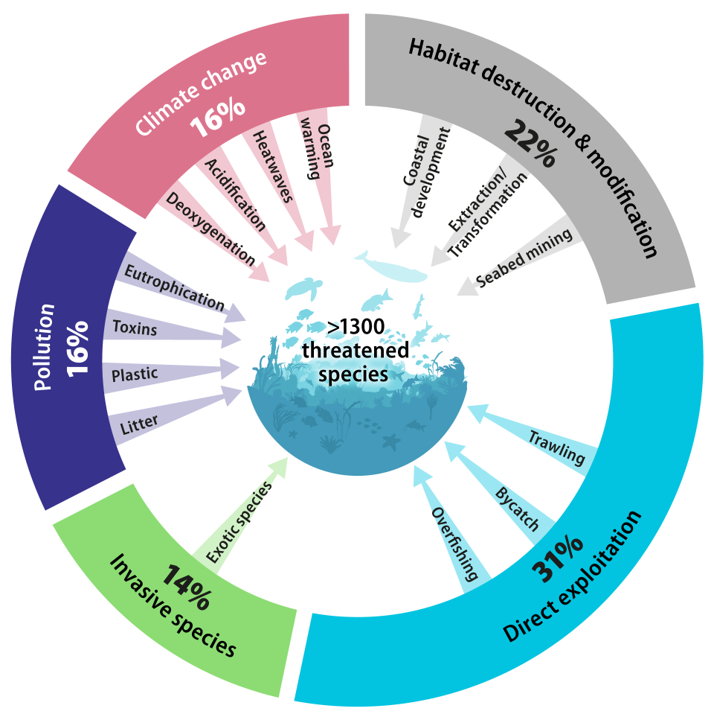
This synthesis covers 10 of the past year’s most significant advances within climate change research. These include the options to still keep global warming below 1.5 °C, the impact of non-CO2 factors in global warming, a new dimension of fire extremes forced by climate change, the increasing pressure on interconnected climate tipping elements, the dimensions of climate justice; political challenges impeding the effectiveness of carbon pricing, demand-side solutions as vehicles of climate mitigation, the potentials and caveats of nature-based solutions, how building resilience of marine ecosystems is possible, and that the costs of climate change mitigation policies can be more than justified by the benefits to the health of humans and nature.
See also:
Website => https://10insightsclimate.science/
Policy Report => https://10insightsclimate.science/wp-content/uploads/2021/11/Report_Climate-Science-Insights_2021_WEB.pdf
View Publication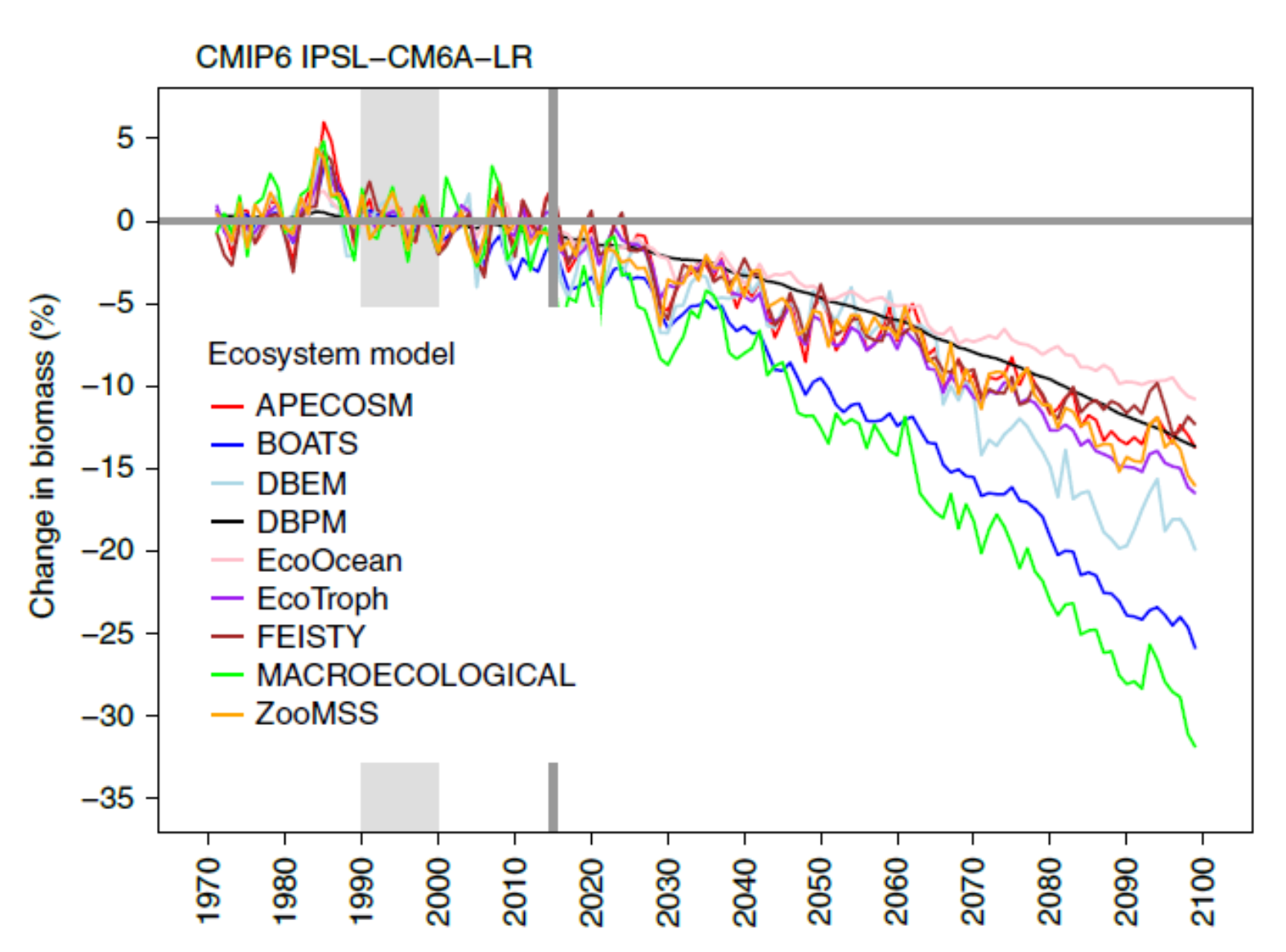
Climate change impacts on marine ecosystems include long-term declines in global marine animal biomass with consequences for fisheries. This new paper reveals greater biomass declines than previously projected, based on an enhanced ensemble of global marine ecosystem models that was forced by next-generation CMIP6 Earth system model outputs which showed elevated warming compared to CMIP5 outputs. However, regional variation and shifts in the direction and magnitude of biomass changes highlight the need to reduce uncertainty in projected ecosystem responses to help support climate-adapted management and policy.
View Publication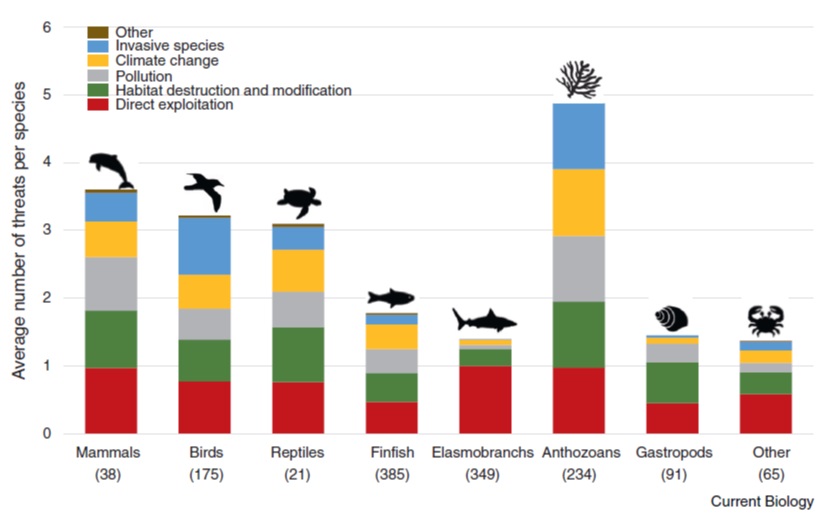
Marine biodiversity is the foundation for the structure and functioning of ocean ecosystems and the range of ecosystem services that benefit humans from local to global scales. Yet currently, 1358 species are threatened with extinction due to human pressures, including overexploitation, habitat destruction, pollution, invasive species and, increasingly, climate change. This primer provides an overview of the main conservation aims, approaches and actions in the marine realm, the necessary contributions from individuals and the international community, and an outlook on how we can adapt marine conservation in the face of global and climate change.
View Publication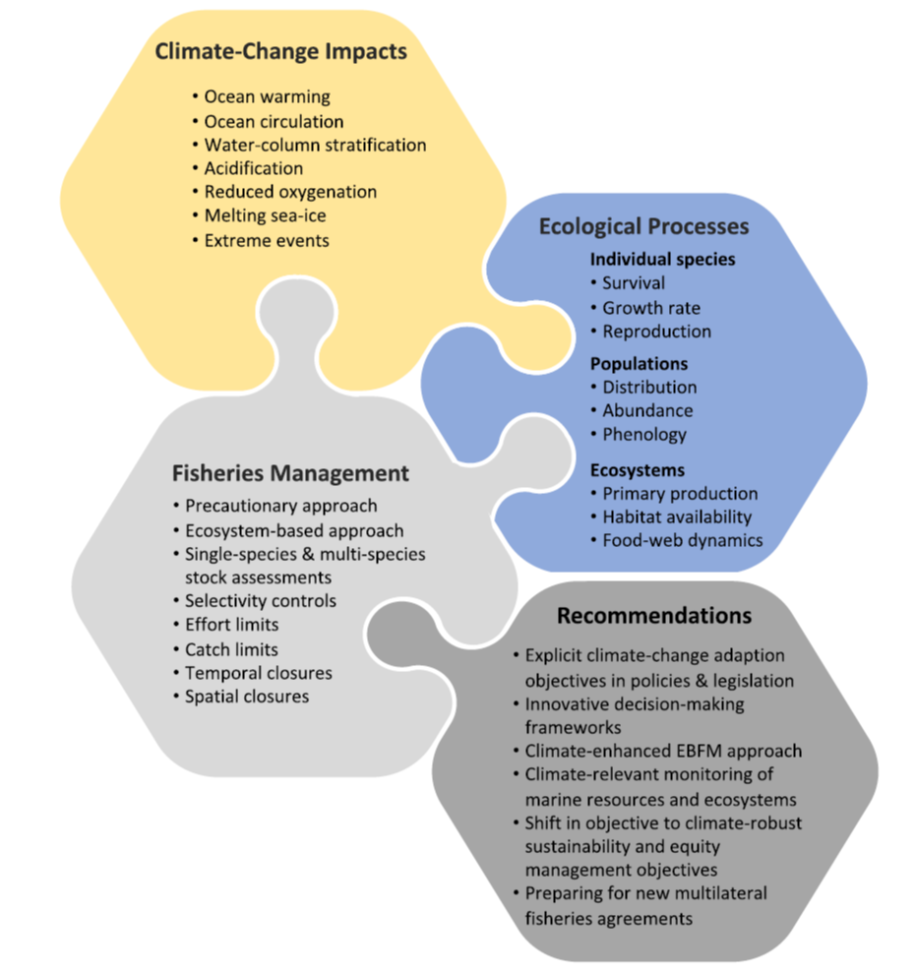
Climate change is altering marine ecosystems and fisheries worldwide, requiring climate-adaptive governance for management and conservation. This review assesses the current state of implementation of climate-change adaptation into fisheries management policies and legislation across 11 national case studies. Although the need to address climate-change adaptation in fisheries management is increasingly being recognized, formal mandates are still largely lacking. Based on our review, recommendations are provided that may help to inform and broaden the scope of management approaches and tools to accelerate the move towards climate-adaptive fisheries management.
View Publication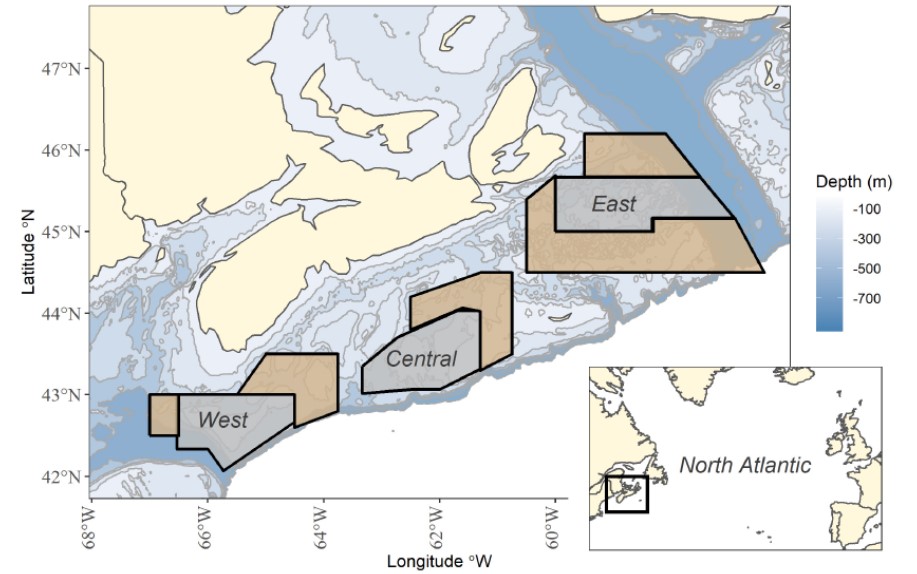
Canada has adopted the United Nations Aichi biodiversity target to protect 10% of coastal and marine areas through marine protected areas or “other effective area-based conservation measures” (OECMs) by 2020. However, the contribution and efficacy of OECMs to biodiversity conservation is not well studied. This paper examines whether areas closed to fishing on the Scotian Shelf in Atlantic Canada have the potential to serve as OECMs for groundfish conservation and recovery. Based on long-term survey data, results show that three area closures did not enhance population growth rates of the majority of 24 common groundfish species, and additional measures are needed to protect and rebuild severely depleted groundfish. Our study provides impetus toward articulating the criteria of OECMs, improving their design, monitoring, and testing, and placing them within the broader context of sustainable ecosystem-based management.
View Publication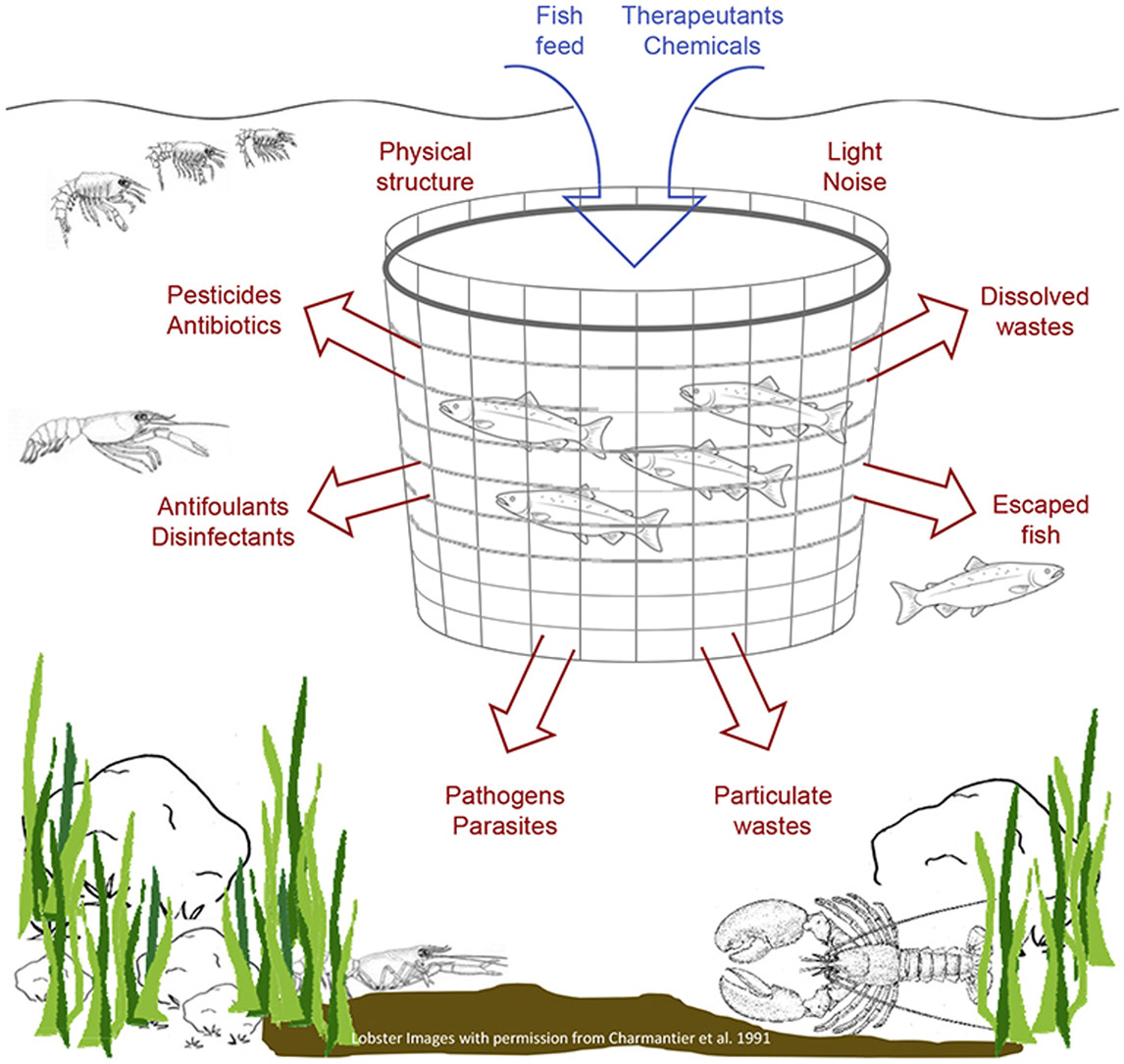
Lobsters are currently one of the most economically valuable capture fisheries globally. In Atlantic Canada, lobster fishing and marine finfish aquaculture take place in the same coastal waters with the potential for environmental impacts and social conflicts. This review assesses the state of knowledge of environmental interactions between American lobster and marine finfish aquaculture. While some interactions have received considerable study (e.g., chemical use), knowledge on others is either limited (e.g., net pens, waste discharges) or lacking (e.g., disease, noise, lights, and odours). We discuss opportunities and challenges for an ecosystem-based approach to aquaculture and suggest practical measures, such as better use of existing data, habitat and human impact assessment tools, and toxicity information to avoid negative finfish aquaculture-lobster interactions.
View Publication
Climate change is already influencing life in the ocean and will continue to do so into the future with consequences for fisheries and seafood production. In this new book chapter in “The Impacts of Climate Change: Comprehensive Study of the Physical, Societal and Political Issues” ( edited by T. Letcher ) we review how observed and projected future climate-change effects alter the distribution and abundance of target species, the composition and dynamics of marine food webs, and the productivity of ocean ecosystems with consequences for fisheries and seafood production. We discuss how more sustainable and climate-adapted management could help maintain marine fisheries into the future, and how the conservation of ocean ecosystems could mitigate some climate and other global change effects.
View Publication
Since temperature is a major factor determining the distribution and diversity of life in the oceans, climate change is fundamentally changing marine biodiversity on a global scale. In this updated chapter in the 3rd Edition of “Climate and Global Change: Observed Impacts on Planet Earth” ( edited by T. Letcher ), we review observed and predicted effects of climate change on the diversity of marine species. An increasing number of studies demonstrate that climate change effects are already apparent from local to global scales, and future projections highlight climate-driven changes in marine biomass and likely diversity from low to high trophic levels. The conservation of biological diversity can provide insurance and resilience in the face of rapid global change, but conservation strategies need to be adapted to take shifting species distributions into account.
View Publication
Seagrass meadows are among the most productive and diverse marine ecosystems, but also the most impacted by human activities and in urgent need of better management and protection. In Canada, eelgrass (Zostera marina) meadows are found along the Atlantic, Pacific, and Arctic coasts across a wide range of biogeographic conditions. In this paper, we synthesize current knowledge of eelgrass ecosystems across Canada’s coasts, highlighting commonalities and differences in environmental conditions, plant, habitat, and community structure, as well as current trends and human impacts. We discuss current management and conservation efforts and the implications of observed differences from coast to coast to coast.
View Publication
News
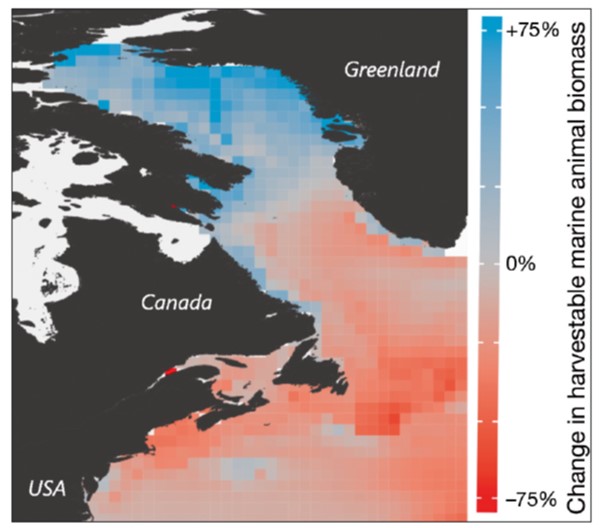
Climate-induced changes in the world’s oceans will have implications for fisheries productivity and management. Using a model ensemble from the Fisheries and Marine Ecosystem Model Intercomparison Project (Fish-MIP), we analyzed future trajectories of climate-change impacts on marine animal biomass and associated environmental drivers across the North Atlantic Ocean and within the Northwest Atlantic Fisheries Organization (NAFO) convention area under different climate-change scenarios. We then evaluated potential consequences for fisheries productivity and the associated challenges for management in a changing ocean.
View Publication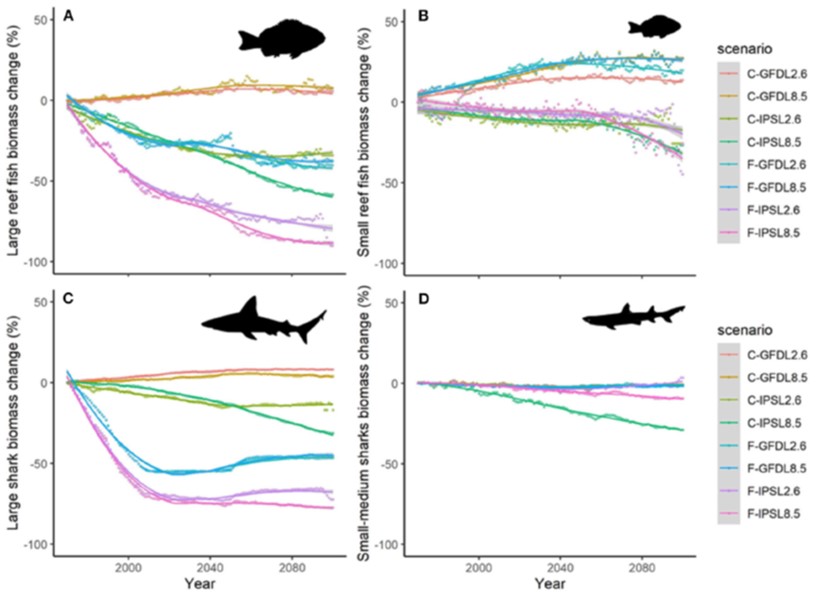
Considerable effort is being deployed to predict the impacts of climate change and anthropogenic activities on the ocean to better understand how marine ecosystems are changing and explore alternative pathways and options. This study presents an updated version of EcoOcean (v2), a spatial-temporal ecosystem modeling complex of the global ocean that spans food-web dynamics from primary producers to top predators. We use the updated platform to simulate past and future scenarios of change, and quantify the impacts of alternative model configurations, responses to climate-change scenarios, and the additional impacts of fishing. EcoOcean v2 can contribute to the quantification of cumulative impact assessments of multiple stressors and of plausible ocean-based solutions to prevent, mitigate, and adapt to global change.
View Publication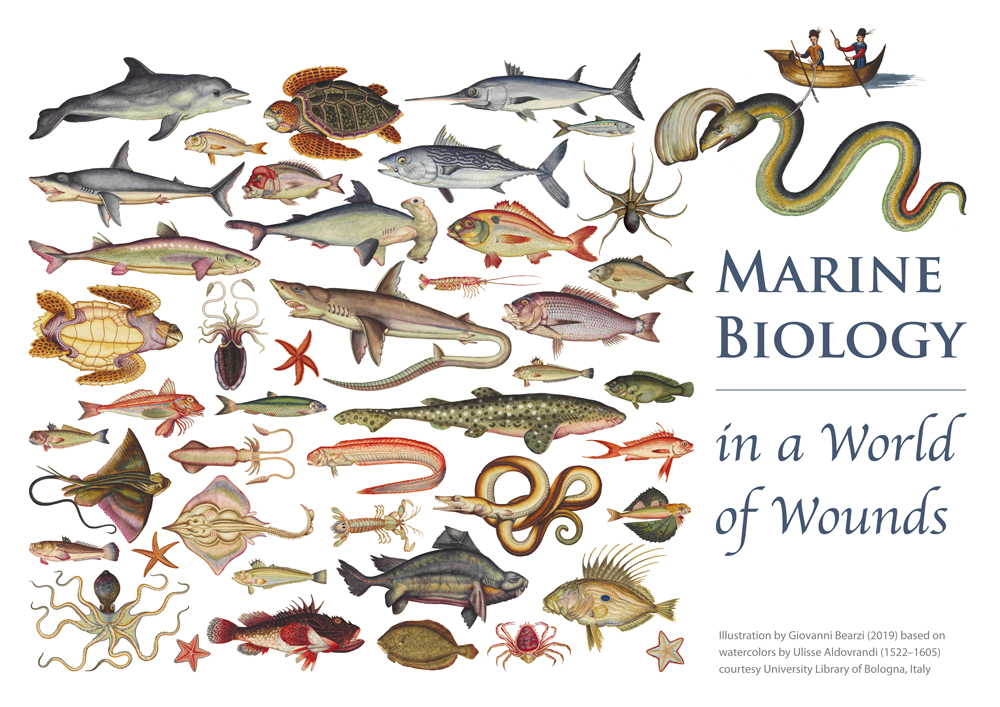
Despite decades of management and conservation efforts, we have seen only limited success in rebuilding marine life and restoring ocean ecosystems from human-inflicted damage on a global scale. In this essay in the Theme Section ‘Marine Biology in a World of Wounds’ ( edited by G. Bearzi & K.I. Stergiou ) I suggest that we need to harness both our emotional (love) and rational (knowledge) sides to create a more powerful movement to heal the ocean and rebuild its abundance and diversity. Combining our emotional and rational sides can inspire our thinking and transform our actions in new, creative ways to affect wide-ranging and long-lasting change and transform our collective relationship with the ocean.
View Publication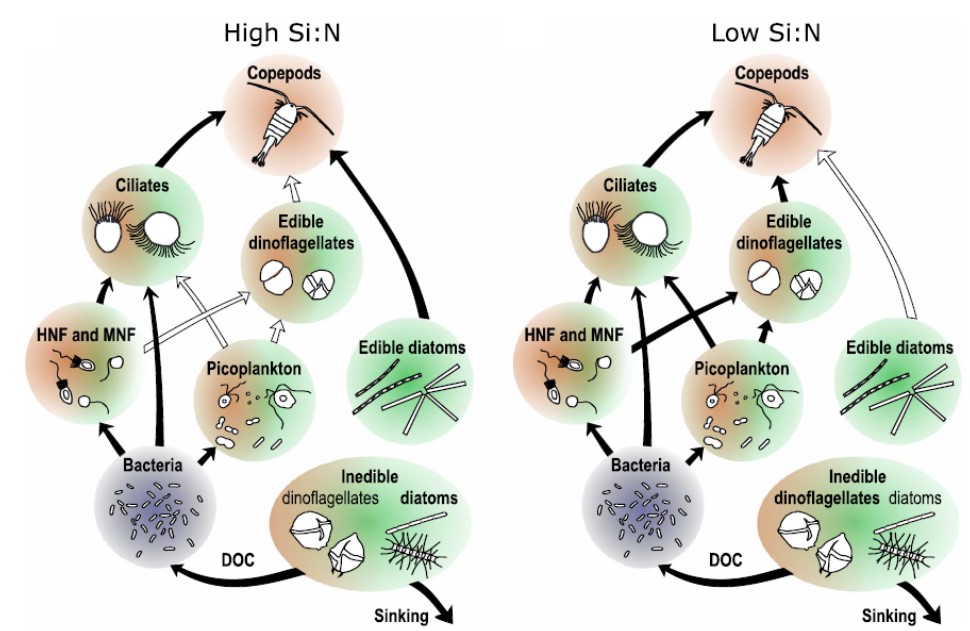
Many coastal oceans experience not only increased loads of nutrients but also changes in the stoichiometry of nutrient supply. Excess supply of nitrogen and stable or decreased supply of silicon lower silicon to nitrogen (Si:N) ratios. We used a multi-factorial mesocosm experiment to examine how Si:N ratios affect plankton community composition and food web structure in a Baltic Sea plankton community. Our results suggest that declining Si:N ratios favor microzooplankton and mixoplankton leading to increased complexity of planktonic food webs. The associated consequences on higher trophic levels are moderated by edibility, nutritional value or toxicity of dominant phytoplankton species.
View Publication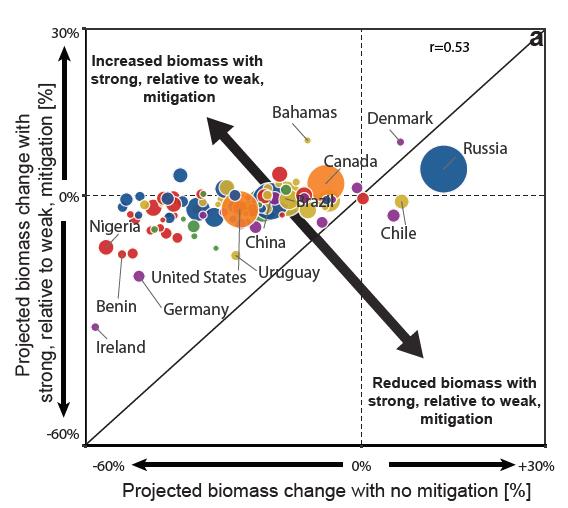
Ensemble projections combining multiple Earth system and marine ecosystem models show significant biomass decreases in 68% to 84% of the global ocean under low and high emission scenarios, respectively. This study analyzes the consequences of these climate change impacts for maritime nations across the world. Results suggest that countries with poor socioeconomic statuses, such as low nutrition, wealth, and ocean health, will experience the greatest projected losses, highlighting that climate-driven biomass changes will widen existing equity gaps and disproportionally affect populations that contributed least to global CO2 emissions.
View Publication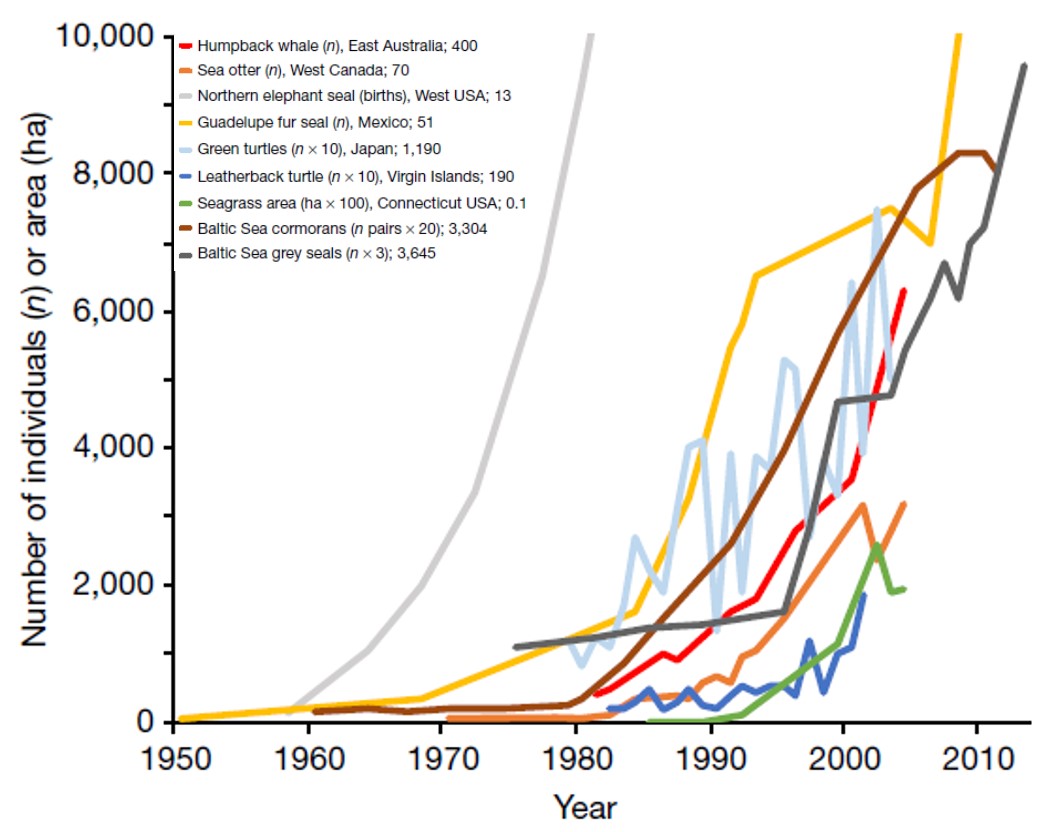
The United Nations Sustainable Development Goal (SDG) 14 aims to conserve and sustainably use the oceans and marine resources for sustainable development. Achieving this goal will require the rebuilding of healthy marine ecosystems that provide those benefits to human society. This review documents observed recoveries of marine populations, habitats and ecosystems following past conservation interventions, and suggests that substantial recovery could be achieved by 2050 if major pressures are mitigated.
View Publication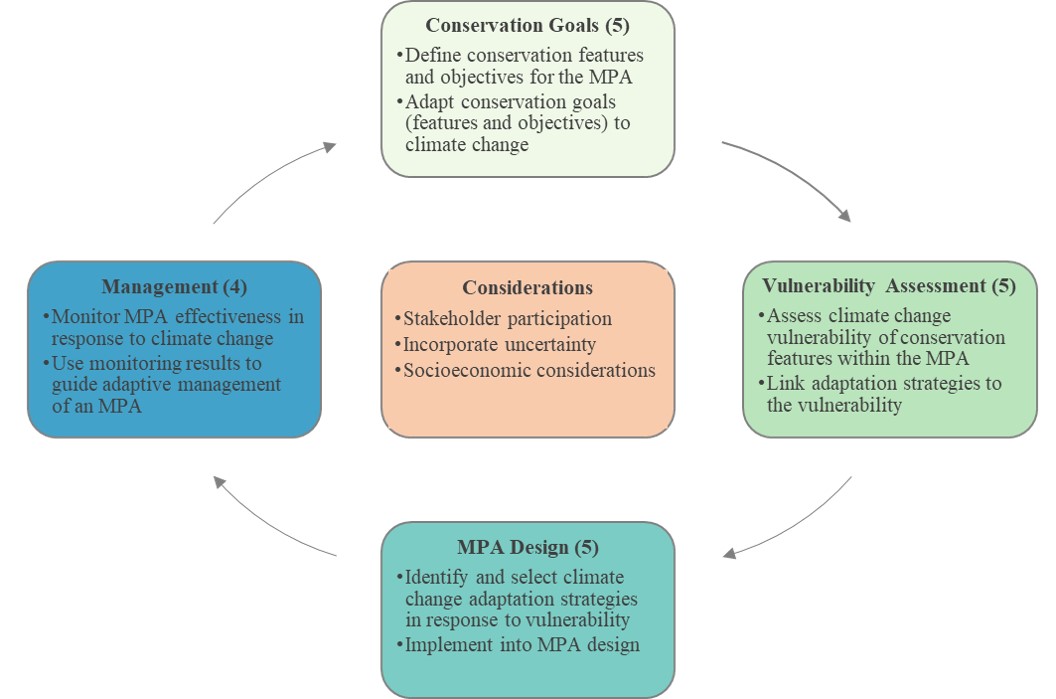
This review summarizes the state of knowledge for adapting existing and future marine protected areas and MPA networks to climate change. It synthesizes case studies of how marine conservation planning can respond to shifting environmental conditions and evaluates common barriers to adopting climate change adaptation strategies. The review provides a comprehensive synthesis of planning frameworks, case studies, adaptation strategies and management actions which can inform a more coordinated global effort to adapt existing and future MPA networks to continued climate change.
View Publication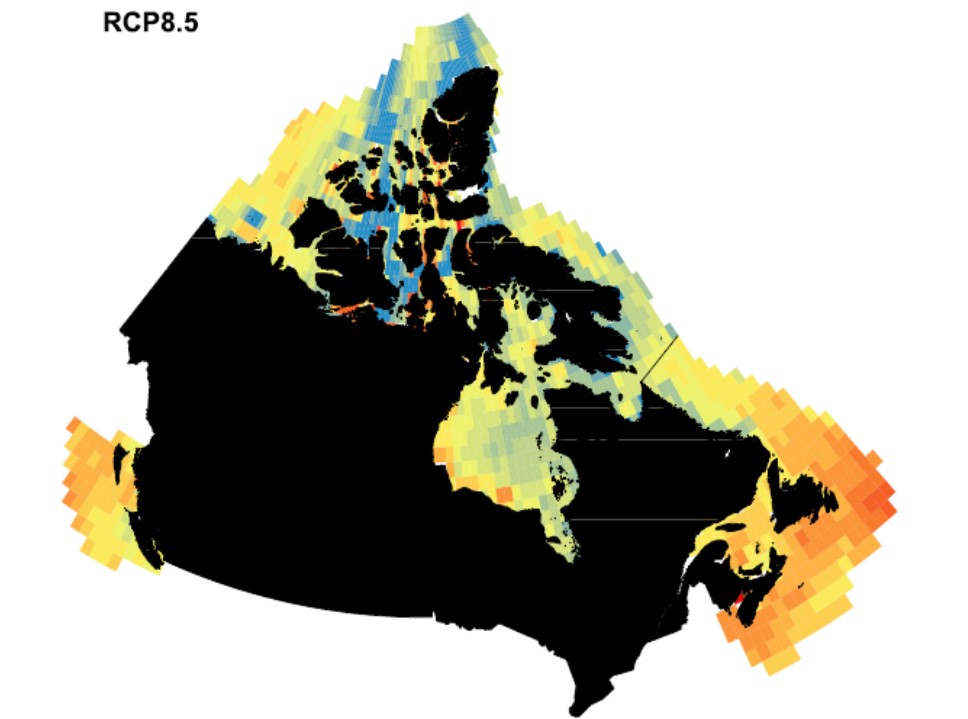
Climate change will alter marine species composition and abundance with consequences for food webs and ecosystem services. This study used an ensemble modeling approach to project changes in marine ecosystems in Canada’s Exclusive Economic Zone under four climate change scenarios. The business-as-usual scenario resulted in substantial declines in animal biomass in the Pacific and Atlantic EEZ yet increases in the Arctic. Lower emissions resulted in smaller changes highlighting the benefits of stronger mitigation targets. These different future trajectories will require region-specific conservation and management strategies.
View Publication
2019
In the face of climate change, practical efforts to operationalize climate-responsive design and management in the global network of marine protected areas (MPAs) are required to ensure their long-term effectiveness in safeguarding marine biodiversity and ecosystem services. This study reviews progress in integrating climate change adaptation into MPA design and management and provides eight recommendations to expedite this process. Climate-smart management objectives and incentives for dynamic management tools should become the new standard to enhance the climate change responsiveness of the global network of MPAs.
Seaweed harvesting has been important for many coastal communities around the world, although today aquaculture supplies >96% of global seaweed production. Current wild harvests mostly target canopy-forming kelp, rockweed and red macroalgae that also provide critical ecosystem functions and services. Here, we outline potential ecosystem-based management approaches that would help sustain productive and diverse seaweed-based ecosystems. Although current management often aims for sustainable harvesting, it mostly does so in a single-species and not ecosystem-based context. Our review suggests how to define and operationalize ecosystem-based management of seaweed harvesting that can inform management and conservation.
In this study, we used archived, high-resolution SPOT 6/7 satellite imagery to asses the distribution of eelgrass, Zostera marina habitats in Port Mouton Bay, Port Joli Bay, and Jordan Bay in Atlantic Canada. Eelgrass is recognized as an ecologically significant species and recent declines have spurred the need for methods to quantify large-scale eelgrass distribution and monitor changes in this important underwater habitat. Our study provides bay-wide distribution maps can be used for monitoring, conservation and management of eelgrass habitats in Atlantic Canada, and an image classification framework that requires no field survey points for ground truthing.
Climate change is already altering the distribution and abundance of marine life thereby affecting the goods and services the ocean provides to people. This study used an ensemble of multiple climate and ecosystem models to perform a comprehensive assessment of potential climate-driven ecological changes in the global ocean. Results reveal that global marine animal biomass will decline under all emission scenarios, with an average 17% under business-as-usual conditions compared to only 5% under a strong mitigation scenario and with larger impacts on higher food web levels compared with phytoplankton. Our ensemble projections can inform adaptive management and conservation of marine resources under future climate change.
Climate change is altering the distribution and abundance of many marine species, including habitat-forming seagrasses which provide important ecosystem functions and services. Using species distribution models, we predicted the current distribution of eelgrass (Zostera marina) in the Northwest Atlantic and projected possible future range shifts under contrasting climate change scenarios until the end of the 21st century. Our results highlight relatively small changes under a strong climate mitigation scenario, yet substantial northward shifts under a business-as-usual emission scenario, with losses of eelgrass beds along its southern range limit.
Using the 2003 European heat wave and drought as a historical extreme climate event, this study tests whether global impact models of natural and human systems can capture the impacts of extreme climate conditions. Results suggest that a majority of global impact models underestimate the extremeness of impacts in sectors such as agriculture, terrestrial ecosystems, and heat-related human mortality, while impacts on water resources and hydro-power are overestimated in some river basins. These findings have important implications for management and policy and suggest that societal risks from future extreme events may be greater than previously thought.
In this study, we developed a standardized human impact metric that includes five bay-scale and four local-scale impacts to quantify the range and magnitude of anthropogenic impacts to coastal bays and nearshore biogenic habitats. We then applied this metric to 180 seagrass beds in 52 coastal bays and three provinces across Atlantic Canada. Our results provide insight into where coastal bays and seagrass ecosystems are most and least affected by individual or cumulative human threats, which can inform management and conservation planning. Our impact metric can be applied to other coastal regions and habitats in Canada and beyond.
Climate change is altering the distribution and abundance of marine species, including canopy-forming seaweeds which provide important ecosystem functions and services. We used species distribution models to project climate-driven range shifts of rockweeds (Ascophyllum nodosum, Fucus vesiculosus), Irish moss (Chondrus crispus), kelps (Saccharina latissima, Laminaria digitata), and the invasive Codium fragile in the NW Atlantic. Our results highlight the benefits of strong climate change mitigation which would limit changes in rocky-shore community compositions. Yet substantial range shifts are expected under business-as-usual emissions, with a transition in dominant species and community reorganization south of Newfoundland.
Climate change will significantly alter marine ecosystem structure and function with associated socio‐economic impacts on ecosystem services, marine fisheries, and fishery‐dependent societies. We use an ensemble modelling approach to analyze how these changes may play out in different ocean basins over the 21st century under different emission scenarios. Generally, marine animal biomass declined in the North and South Atlantic, North and South Pacific, and Indian Ocean basins by 2100, whereas the Arctic and Southern Ocean basins experienced an increase, and ecosystem structure shifted as animal biomass concentrated in different size‐classes. Results highlight that mitigation measures could moderate the impacts of climate change on marine animal biomass.
The Atlantic halibut longline fishery is the second most valuable groundfish fishery in Atlantic Canada and received Marine Stewardship Council certification in 2013. Analysis of annual survey data across the Scotian Shelf and Southern Grand Banks from 1998-2016 revealed that 70% of the total catch by weight and 85% by number of individuals were bycatch, with over 100 identified species of finfish, sharks, skates, benthic invertebrates, marine mammals and seabirds. This included 4 species listed under the Species at Risk Act and another 14 species awaiting a listing decision based on the Committee on the Status of Endangered Wildlife in Canada. Our results identify temporal trends in threatened species and hotspot by bycatch areas which can inform recovery strategies, bycatch levels and spatial zoning in fisheries management and marine conservation.
This study used results from a nitrogen loading model together with field survey data in Atlantic Canada to assess linkages between nitrogen loading, tidal flushing and bivalve aquaculture on observed eutrophication indicators in eelgrass habitats. Multivariate analyses revealed positive correlations between nitrogen loading and eutrophication indicators, with distinct clusters of high- and low-impact sites, and the mitigating effects of flushing time and aquaculture. Our results highlight that combining measures of nitrogen loading, eutrophication indicators and mitigating factors can help detect early warning signs and assess eutrophication risk to inform management and conservation of coastal ecosystems before significant losses of seagrass occurs.
2018
Eelgrass has been designated an Ecologically Significant Species in Atlantic Canada, yet the development and rapid expansion of open netpen finfish aquaculture has raised concerns about potential impacts on eelgrass habitats. Based on field surveys at increasing distances from a finfish farm in Port Mouton Bay and reference sites in adjacent Port Joli Bay and along the Nova Scotia coast, this study found higher nutrient and organic enrichment, lower eelgrass cover and biomass, and lower macroinfauna biomass closer to the farm, as well as changing community structure with some opportunistic species increasing and some sensitive species decreasing closer to the farm. Out results can be used to inform metrics for assessment and monitoring.
Model intercomparison studies are crucial to building credibility and coherence for future projections. This paper describes the Fisheries and Marine Ecosystem Model Intercomparison Project (Fish-MIP) and the protocol for the first round of simulations for interested marine ecosystem modelling groups. This protocol is designed to allow heterogeneous models to be forced with standardized Earth system model outputs under prescribed emission and fishing scenarios for historic and future time periods, thus allowing for a systematic comparison of results. Ultimately, Fish-MIP represents a step towards bringing together the marine ecosystem modelling community to produce consistent ensemble medium- and long-term projections of marine ecosystems.
Using 11 years of data collected by lobster fishers in Port Mouton Bay, Atlantic Canada, this study shows that both market-sized lobster catches and berried lobster counts in 5 different regions adjacent to a finfish farm were reduced during stocking (feed) periods compared to non-stocking (fallow) periods. Also, lobster catches were lower in region 2, which included the fish farm, and higher in region 5, which was furthest away from the farm. Our results provide critical information for the management of multiple human uses in the coastal zone and the conservation of shellfish habitats that sustain traditional fisheries.
This study used large-scale field surveys to examine differences in – and linkages between – eelgrass canopy structure, environmental parameters, and macroinfauna abundance, species richness and community composition across three biogeographic regions in Atlantic Canada. Our results provide insight into different levels of spatial variation in eelgrass habitats and highlight the important influence of benthic primary production on the macroinfauna community. This work can inform the assessment and monitoring of eelgrass beds and the evaluation of ecosystem health.
Nutrient loading from anthropogenic sources has implications for the health and functioning of aquatic species and ecosystems. Using a nutrient loading model (NLM), this study estimated that a large amount of nutrient loading in 21 Nova Scotia bays was derived from atmospheric deposition, followed by fertilizer use and discharges from seafood processing and finfish aquaculture. Loading rates were generally related to the footprint of human activities in surrounding watersheds. The NLM can be easily updated and applied to other watersheds to compare nutrient loading rates across similar systems.
This paper highlights two case studies in Nova Scotia and Kenya and a synthesis of 25 surveys with >32,000 respondents from 21 countries around the world. Our results show that most respondents believe that the ocean is under threat and are in support of more ocean areas to be protected. This overview on public perceptions can help managers, policy makers, conservation practitioners and educators to improve management and conservation programs with the support of the general public.
2017
From 1950-2015, plastic production has increased to 322 million metric tons (Mt) per year, approaching the total weight of the human population. Of this, 4.8–12.7 Mt enter the ocean, as macroscopic litter or microplastic particles, where it cannot be easily removed, accumulates in organisms and sediments, persists much longer than on land, and toxic effects move up the food chain, including to people. We argue that plastic should be treated as a persistent marine pollutant and suggest a Global Convention on Plastic Pollution that incentivizes collaboration between governments, producers, scientists, and citizens to solve the global plastic accumulation.
Many studies have aimed to understand the factors critical for species extinctions in order to help prevent further species losses on land and in the ocean. Over the past decades, conservation and management efforts have enabled several species to recover, while others remain at low abundance levels or continue to decline. This paper examines the critical factors for marine mammal recovery – or the lack thereof. Our results provide insight for improving conservation and management strategies to hopefully enhance recoveries in the future.
In this new book celebrating Canada’s 150th birthday by the Peter Wall Institute for Advanced Studies, Diane Srivastava, Jennifer McCune and Heike Lotze contributed a chapter on “Canada’s environment: why planning for the future requires looking at the past”. Using cases studies from Canada’s land and sea, we illustrate how just looking at current or the last few decades of monitoring data can greatly mislead conservation and management efforts because huge changes have occurred over the course of history, particularly since European colonization.
Heike Lotze contributed to this new publication by the Heinrich Böll Stiftung in Germany, that illustrates the important roles played by the ocean and its ecosystems for people around the world. It aims to give current insight on the state of – and threats to – the seas. Covering more than two-thirds of our planet’s surface, the ocean provides us with food, energy, minerals, transportation routes and is crucial for our climate and weather systems. But due to human impacts, the future of these ecosystem services is threatened. Also available in German.
In this new paper, we compare food production sectors and their supporting ecosystems on land and sea, and how they are linked through interactions and trade-offs that challenge our ability to reach the United Nations Sustainable Development Goals (SDGs). We demonstrate how the food services are threatened by increasing demands, biodiversity loss and climate change across the land-sea boundary and that many countries face multiple challenges at once with little adaptive capacity.
Eutrophication has caused strong shifts from perennial seagrass to opportunistic macroalgae and phytoplankton in many coastal ecosystems worldwide. This new paper shows how region-specific responses of primary producers affect the associated animal communities. Large-scale field surveys revealed that eelgrass beds continue to persist at intermediate levels of eutrophication, but the loss of sensitive species and decrease in species richness highlight that eutrophication has already changed seagrass ecosystems in Atlantic Canada.
2016
A critical component of science-based fisheries policy is the provision of habitat adequate for population renewal. Yet, the Fisheries Act of Canada pays little attention to managing fish habitat and was weakened by changes enacted in 2012. Specifically, determining the habitat’s role in contributing to fisheries is challenging when many stocks have severely declined. Based on three independent case studies, we show substantial declines in juvenile cod and pollock in coastal habitats across Atlantic Canada coinciding with declines in adult stocks. However, juvenile fish are still around and could aid in stock recovery. Thus, we recommend enhanced legislation for fish habitat management, particularly in valuing its potential for fish stock recovery.
In Atlantic Canada, rockweed plants vary regionally resulting in distinct canopy structures. In this study, we used large-scale field surveys and multivariate statistics to demonstrate that the observed differences in canopy structure are further linked to distinct communities of associated species. Importantly, measures of plant and canopy structure (e.g. length, circumference, density) were much better predictors of associated community structure than rockweed biomass, which is often used for single-species monitoring. Thus, information about canopy structure and associated species composition should be incorporated into region-specific ecosystem-based management of the rockweed harvest.
Many coastal species are affected by a variety of human activities, such as nutrient loading, chemical run-off, harvesting, habitat alteration and increasingly also climate change. In this study, we used a multi-factorial laboratory experiment to test the cumulative effects of climate warming and nutrient loading on an important, habitat-forming intertidal seaweed, the rockweed Ascophyllum nodosum, which provides important ecological functions as well as economic services.
The climate change application community comprises researchers and other specialists who use climate information to analyze the vulnerability, impacts, and adaptation of natural systems and society to climate change. Much of this activity is directed toward the co-development of information needed by decision makers for managing projected risks. This paper describes the motivation for the creation of the VIACS Advisory Board for the 6th phase of the Coupled Model Intercomparison Project (CMIP6) and its plans to serve as a bridge between climate change applications experts and climate modellers.
Lobster fisheries are of high economic and social importance in Atlantic Canada and in New Zealand, thus their proper management is of critical importance. So far, their management effectiveness has been evaluated from a single-species approach, which tells us little about potential impacts on the rest of the ecosystem. Here, we analyze the effectiveness of lobster fisheries management from a multi-species and ecosystem perspective, using ecosystem modeling approaches.
The decline and collapse of Atlantic cod around Newfoundland is well known – but how has this decline of a formerly dominant species affected the structure and functioning of inshore fish communities? In this new paper, we analyze data from detailed beach seine surveys in coastal ecosystems along the eastern coast of Newfoundland from the 1960s and 1990s to compare the abundance, diversity and species composition of inshore fish communities before and after the cod collapse.
This study explores the differences in two commonly used methods to survey coastal fish communities: visual underwater surveys and beach seine survey. We show which results are comparable between the two methods and which could be used in combination to derive a more complete picture of fish community structure and composition in coastal ecosystems. This can inform designing the most appropriate monitoring and assessment programs.
This new paper synthesizes the ecosystem effects of marine invertebrates, including lobster, crabs, shrimp, cephalopods, sea urchins, bivalves, gastropods and others, across 12 marine ecosystems around the world. Over the past few decades, fisheries catches of invertebrates have rapidly increased in many countries worldwide, yet the effects of those fisheries on other species, such as commercial fish or species of conservation interest, and marine ecosystems as a whole are largely unknown, although critical for effective ecosystem-based management.
In the new book “Perspectives on Oceans Past: A Handbook of Marine Environmental History”, edited by Kathleen Schwerdtner Máñez and Bo Poulsen, Marta Coll and Heike Lotze contribute a chapter exploring how various ecological indicators as well as food-web models can be used as tools to study historical changes in marine ecosystems over long time scales. They provide many useful examples and case studies that can be applied to different aspects and studies of historical ecology in the marine realm.
In this second edition of “Climate change: observed impacts on Planet Earth”, edited by Trevor Letcher, Boris Worm and Heike Lotze contribute an updated version of their chapter on marine biodiversity and climate change from the first edition highlighting the newest results from a rapidly growing research field.
2015
Climate warming is affecting an increasing number of species in the world’s ocean. Here, we used a multi-factorial laboratory experiment to test the effects of warming sea surface temperatures on the survival and growth of selected ecologically and economically important seaweeds in the Northwest Atlantic Ocean. These seaweeds provide essential three-dimensional habitat to a range of associated species and some support a commercial harvest, thus their future in a warming ocean is important to both marine ecosystems and humans.
Nitrogen loading is a principal factor associated with the decline in eelgrass bed health and cover in estuaries worldwide. In this paper, we applied a nitrogen loading model to estimate annual inputs of total dissolved nitrogen from point and nonpoint sources in 7 estuaries in Atlantic Canada. Our results provide new information on nitrogen loading in a region with mainly forested watersheds and comparatively low human impacts.
Invertebrate fisheries are increasing around the world, yet their consequences are largely unknown, impairing ecosystem-based management. This study shows that lobster, abalone and urchin fisheries have considerable effects on other species and the marine ecosystem as a whole, particularly at current high exploitation levels that exceed those that would produce maximum sustainable yield. Thus, reducing exploitation would benefit both target catches and the environment, a win–win situation.
The fossil record provides rich information on past extinctions in the world’s oceans. This new collaborative study shows how we can use such information to predict which living species today are inherently more vulnerable and at a higher risk of extinction than others. Mapping their distribution globally identifies regions with high intrinsic risk. Some of these regions are also strongly affected by current human activity or climate change, and may be hotspots of future extinctions.
This study used a quiz and survey to assess the level of ocean literacy in more than 700 public school students in grades 7-12 in Nova Scotia. Results indicate relatively low levels of ocean knowledge and a positive link between knowledge and valuation of the marine environment and interest in ocean-related jobs and careers. This suggests that improving public awareness about the ocean can benefit the environment, economy, and society.
Hagfish have been commercially fished in Asia since the 1940s. This new study shows that after local stock depletion hagfish fisheries expanded around the world with some serial depletion patterns as in sea urchin and sea cucumber fisheries. In Atlantic Canada, hagfish landings and fishing effort increased 24-fold over the past 20 years with strong spatial expansion. The sustainability of current hagfish fisheries is questioned given the limited knowledge, assessments and regulations.
2014
Exploitation has caused widespread declines in marine predators, such as large sharks. It has long been assumed that this may destabilise marine communities, yet empirical evidence has been lacking. In this new study, we used a community matrix model to analyze three indices of stability in a coastal fish community and found significantly decreasing stability with predator depletion. These results have important implications for the conservation and management of predators in our oceans.
In this new book Marine Historical Ecology in Conservation, edited by JN Kittinger, LE McClenachan, KB Gedan, and LK Blight, the authors explore how we can apply historical knowledge to manage for the future. In Chapter 2, Heike reviews trends in the recovery and non-recovery across a range of marine species and their major drivers. She also assesses the management successes and failures and how knowing the past can improve current and future conservation efforts.
Another new Book on Marine Ecosystem-based Management edited by MJ Fogarty and JJ McCarthy in the Series THE SEA, Volume 16. In Chapter 2, Heike together with historian Richard Hoffmann and archaeologist Jon M. Erlandson describe the history of fishing and how people throughout history responded to resource depletion. It shows how different management measured evolved and what we can learn from their successes and failures.
Check out this new Marine Community Ecology and Conservation Book edited by MD Bertness, JF Bruno, BR Silliman and JJ Stachowicz. In Chapter 8, Heike and co-author Loren McClenachan describe the origin and development of marine historical ecology, synthesize what and how we can learn from different disciplines and data, and discuss how we can apply this historical knowledge in science, management, conservation and education.
2013
The abundance of sharks and rays can decline considerably with fishing, but assessing the drivers of community changes can be complicated by species interactions and variations in vulnerability to fishing. This study used data from five trawl surveys conducted between 1948 and 2005 to evaluate long-term trends in elasmobranch communities in the Adriatic Sea. Since 1948, catch rates have declined by > 94% and 11 species ceasing to be detected.
Heike Lotze & Boris Worm received this year’s Peter Benchley Award for Excellence in Science. Through their extensive body of work they have significantly increased the world’s knowledge about the changing abundance and diversity of the planet’s fish and marine wildlife populations and the impact of nutrient pollution and other human activities. The awards ceremony will take place on May 15, 2013 at the Carnegie Institution in Washington, D.C.
Marine mammals have greatly benefitted from a shift from exploitation towards conservation. Yet while some populations have shown remarkable recoveries, others remained at low levels, continued to decline, or became extinct. This study synthesizes available data for marine mammal populations worldwide, quantifies their abundance trends and recovery status, and evaluates the link between historic population decline and recent recovery.
2012
In response to declining elasmobranch populations, combined with the realization of their importance to the environment and local economies, a number of management plans have been initiated to slow and (ideally) reverse these negative trends. This paper reviews our current understanding of elasmobranch population recoveries and shows that 1) populations can recover – the earlier the better; 2) incidental fishing pressure can stall or prohibit recovery; and 3) management and conservation strategies must be multi-faceted in order to be successful.
In the coming century, life in the ocean will be confronted with a suite of environmental conditions that have no analog in human history. Will marine species adapt or go extinct? This study compares the patterns, drivers, and biological correlates of marine extinctions in the fossil, historical, and modern records and evaluates how this information can be used to better predict the impact of current and projected future environmental changes on extinction risk in the sea.
The assessment of fishery status is essential for management, yet fishery-independent estimates of abundance are lacking for most fisheries. Methods exist to infer fishery status from catches, but the most commonly used method is biased towards classifying fisheries as overexploited or collapsed and does not account for still-developing fisheries. This study introduces a revised dynamic catch-based method that overcomes these deficiencies.
Eutrophication in the coastal ocean can severely alter the composition of marine plants with consequences on carbon and nutrient storage and cycling as well as habitat and food provision for associated animal communities. This study used large-scale field surveys across 12 estuaries in two provinces in Atlantic Canada to quantify eutrophication-induced changes in the ecosystem structure and services of seagrass beds.
2011
Check out this New Book edited by J.B.C. Jackson, Karen E. Alexander & Enric Sala. In Chapter 8 “Uncovering the Ocean’s Past” of this volume, Heike and co-authors synthesize how we can use records from palaeontology, archaeology, history, genetics, early scientific surveys and modern ecology to understand the ocean’s ecological and environmental history.
The Adriatic Sea is among the most human-impacted coastal ecosystems worldwide – but when did humans start to affect its marine resources? Reconstructing past changes in marine resources and food-web structure, this study illustrates the long-term and far-reaching consequences human activities can have on marine ecosystems. Resource abundance has changed since at least Roman times and accelerated in the 19th and 20th centuries. Today, most traditional marine resources are depleted, and many species are rare or extirpated leaving food webs simplified and less resilient to further perturbations.
Marine vegetated habitats provide essential functions and services to ocean ecosystems and human well-being. It is unclear, however, how different habitat types compare. Using large-scale field surveys and binary network models we compared the habitat and food-web structure between eelgrass and rockweed beds in Atlantic Canada, assessed their nitrogen and carbon storage services, and determined their robustness to species loss.
Many marine populations and ecosystems have experienced strong historical depletions, yet reports of recoveries are increasing. This study reviews how common recovery is among depleted populations and degraded ecosystems and what its magnitude, timescale and major drivers are. Learning from such recovery successes as well as failures is essential for implementing realistic conservation goals and promising management strategies.
2010
Estuaries have been vital components of marine ecosystems throughout history, and for millennia, human activities have shaped estuaries more then any other part of the ocean ecosystem. A review of the timeline, magnitude and range of human-induced changes within and across six estuaries in the United States before and since European colonization aids in determining the current status and potential future trajectories of estuaries and the development of realistic management and conservation goals.
A study synthesizing the nature and scale of the ecological consequences of shark declines in the global ocean uncovered overall patterns and presents new evidence for the importance of shark populations to the rest of the marine world.
In only a few decades, most sea cucumber fisheries around the world have experienced a boom-and-bust pattern; over time, this has happened faster and further away from the main markets in Hong Kong and China. Currently, 81% of sea cucumber fisheries globally have experienced population declines due to overfishing. The findings suggest these fisheries are often unsustainable and may develop too rapidly for effective management responses.